
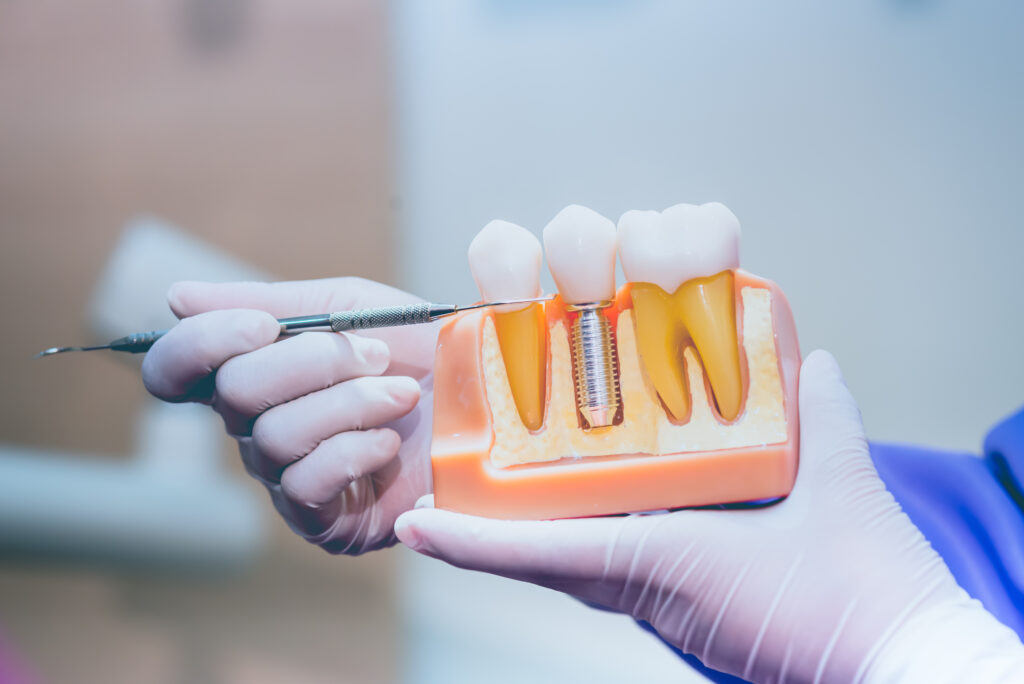
Tips for Protecting Your Dental Implants
Dental implants have revolutionized tooth replacement, offering a permanent, natural-looking solution that functions just like your original teeth. If you’ve invested in dental implants Vero Beach residents trust, you’ve taken an important step toward restoring your smile and oral health. However, the longevity of your implants depends largely on how well you care for them. With proper maintenance and attention, dental implants can last for decades, even a lifetime. Let’s explore the essential tips for protecting your investment and keeping your smile healthy and beautiful for years to come.
Maintain Excellent Oral Hygiene
Just like natural teeth, dental implants require consistent daily care. While the implant itself cannot develop cavities, the surrounding gum tissue and bone are vulnerable to infection if plaque and bacteria are allowed to accumulate. Brush your teeth at least twice daily using a soft-bristled toothbrush, paying special attention to the area where the implant meets the gum line. Use a low-abrasive toothpaste to avoid scratching the implant surface.
Flossing is equally critical. Use unwaxed tape or implant-specific floss to clean around the implant without damaging the restoration or irritating the gums. If traditional flossing is difficult, consider using interdental brushes or water flossers designed for implant care. These tools can effectively remove debris from hard-to-reach areas while being gentle on your gums.
Schedule Regular Dental Checkups
Routine visits to your dentist are essential for monitoring the health of your dental implants. During these appointments, our dental team will examine the implant, check for signs of infection or inflammation, and perform professional cleanings to remove any tartar buildup. Most patients with dental implants Vero Beach dentists recommend should schedule checkups every six months, though some individuals may need more frequent visits depending on their oral health history.
These regular evaluations allow your dentist to catch potential problems early, before they develop into more serious complications. Your dentist will also take periodic X-rays to ensure the bone surrounding the implant remains healthy and that the implant is properly integrated.
Avoid Harmful Habits
Certain behaviors can compromise the integrity of your dental implants and should be avoided. Smoking is particularly damaging, as it restricts blood flow to the gums, impairs healing, and significantly increases the risk of implant failure. If you smoke, quitting is one of the best things you can do to protect your implants and overall oral health.
Additionally, avoid using your teeth as tools to open packages, tear tags, or crack nuts. These actions place excessive stress on the implant and crown, potentially causing damage or loosening the restoration. Be mindful of habits like chewing on ice, pens, or fingernails, which can also threaten the longevity of your implants.
Watch Your Diet
While dental implants are designed to handle normal chewing forces, being thoughtful about your diet can help protect them. Limit consumption of extremely hard or sticky foods that could damage the crown or place undue pressure on the implant. Foods like hard candies, caramel, and tough meats should be approached with caution.
Eating a balanced diet rich in vitamins and minerals supports the health of your gums and jawbone, creating a strong foundation for your implants. Calcium, vitamin D, and vitamin C are particularly important for bone health and tissue regeneration. Staying hydrated also promotes saliva production, which helps wash away bacteria and food particles.
Protect Against Teeth Grinding
If you grind or clench your teeth, a condition known as bruxism, you’re placing your dental implants at risk. The excessive force generated during grinding can damage the crown, loosen the implant, or cause bone loss around the implant site. Many people grind their teeth unconsciously during sleep and may not even realize they have this habit.
If you suspect you grind your teeth, talk to your dentist about getting a custom nightguard. This protective appliance cushions your teeth and distributes pressure evenly, safeguarding your implants while you sleep. Addressing bruxism early can prevent costly repairs and extend the life of your restoration.
Stay Alert to Warning Signs
Even with excellent care, it’s important to monitor your implants for any changes or concerns. Contact your dentist if you notice bleeding or swelling around the implant, persistent bad breath, pain or discomfort, loosening of the crown, or changes in how your bite feels. These symptoms could indicate infection, inflammation, or mechanical issues that require professional attention.
Your Partner in Implant Care
Dental implants represent a significant investment in your oral health and quality of life. By following these protective measures and maintaining a strong partnership with your dental team, you can enjoy the benefits of your implants for many years to come. At Ware Family Dentistry, we’re committed to supporting you through every stage of your implant journey, from placement to long-term care. Contact us today to schedule your next checkup and keep your smile strong, healthy, and beautiful.
Recent Comments